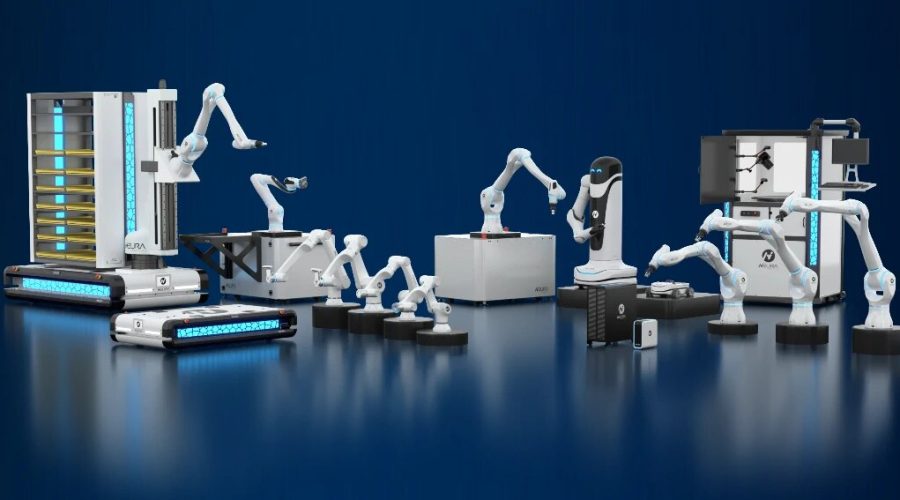
The Rise of AI: Navigating the Robo-Revolution
The advent of artificial intelligence (AI) marks a significant milestone in technological evolution, often referred to as the Robo-Revolution. As industries worldwide harness the power of AI, its applications range from automating mundane tasks to enhancing complex decision-making processes. This transformation is not merely about replacing human effort; it’s about improving efficiency and unlocking new potentials across various sectors. Businesses must now navigate this shift by understanding the opportunities and challenges that come with integrating AI into their operations.
To successfully adapt to the demands of the Robo-Revolution, organizations should consider the following strategies:
- Invest in Training: Equip employees with the necessary skills to work alongside AI technologies.
- Focus on Ethical AI: Ensure that AI systems are developed and used responsibly to minimize biases and promote transparency.
- Embrace Collaboration: Foster partnerships between AI developers and domain experts to create tailored solutions.
Are Robots Taking Our Jobs? Understanding the Impact of Automation
The rise of automation has prompted widespread concerns about the future of employment. As robots and intelligent machines become increasingly capable, many fear that they might replace human workers across various industries. It is essential to understand the nuances of this transition. While some jobs may become obsolete, automation also has the potential to create new roles and avenues for work. For instance, sectors such as technology, healthcare, and renewable energy are likely to see an increase in demand for skilled professionals who can manage and maintain these automated systems.
Moreover, the impact of automation on jobs is not purely negative. A recent survey revealed that automation could enhance productivity significantly, leading not only to more efficient work processes but also potentially higher wages for employees. However, to fully benefit from these technological advancements, individuals will need to invest in upskilling and lifelong learning to stay relevant in a changing job market. This shift emphasizes the need for collaboration between industries, educational institutions, and governments to equip the workforce with the necessary skills to adapt and thrive in an automated world.
Robo-Revolution vs. Human Experience: Finding the Balance
The Robo-Revolution has transformed industries, automating processes and enhancing efficiency. However, as we embrace these technological advancements, a critical question arises: How do we maintain the essence of human experience? While robots and AI can process vast amounts of data and perform repetitive tasks with precision, the value of human intuition, creativity, and emotional intelligence cannot be overlooked. Finding the right balance between automated solutions and the human touch is essential for fostering innovation while preserving the qualities that make us truly human.
To achieve this equilibrium, businesses need to adopt a hybrid approach. This can include:
- Collaborative efforts where humans and robots work in tandem, leveraging each other's strengths.
- Training and upskilling the workforce to adapt to new technologies while emphasizing the importance of interpersonal skills.
- Feedback mechanisms that prioritize user experience and address any gaps created by automation.
By focusing on these strategies, we can ensure that the Robo-Revolution enhances rather than diminishes the human experience, leading to a future where technology serves humanity and not the other way around.