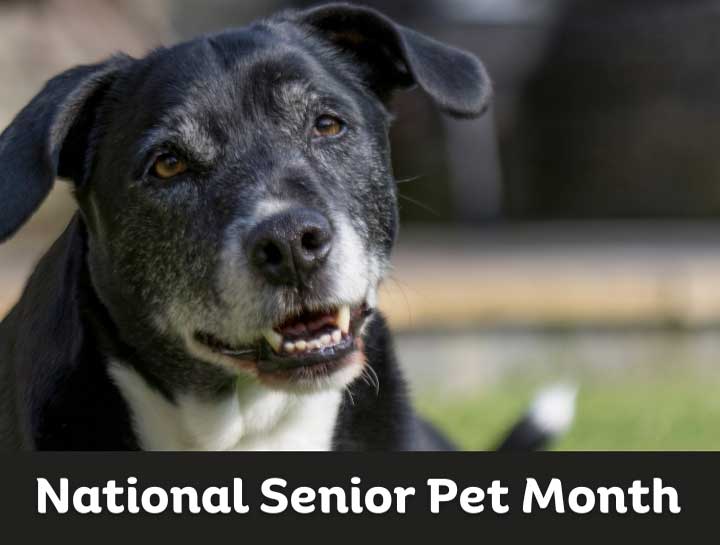
10 Ways to Pamper Your Senior Pet at Home
As our furry companions age, they deserve all the love and care we can provide. Here are 10 ways to pamper your senior pet at home, ensuring their comfort and happiness during their golden years:
- Cozy Bedding: Invest in a plush, orthopedic bed to support their joints and provide a comfortable spot for rest.
- Gentle Exercise: Engage in low-impact activities such as short walks or gentle play sessions to keep them active without overexerting them.
- Special Treats: Treat your senior pet with their favorite snacks, considering any dietary restrictions they may have.
- Regular Grooming: Spend time brushing their fur to keep it healthy and remove any mats, which can be painful for older pets.
- Quality Time: Simply spending more time with them, whether cuddling or just being nearby, can greatly enhance their well-being.
Continuing the list on how to pamper your senior pet at home, here are more suggestions that can make a significant difference in their quality of life:
- Warm Baths: Give them a gentle bath using pet-safe shampoo, which can soothe their skin and provide relaxation.
- Joint Supplements: Consult with your vet about safe supplements to improve their joint health and mobility.
- Soft Leashes: Use a soft, comfortable leash for walks, making outings enjoyable without causing strain.
- Regular Vet Checkups: Schedule routine visits to the vet to monitor their health and address any issues promptly.
- Customized Enrichment: Provide toys that cater to their changing senses and abilities, ensuring they're still engaged and stimulated.
Understanding the Unique Health Needs of Older Pets
As pets age, their health care requirements change significantly. Understanding the unique health needs of older pets is crucial for ensuring they live a long, happy, and comfortable life. Common issues in senior animals include arthritis, dental disease, and kidney problems. Regular veterinary check-ups become even more important, allowing for early detection and management of these age-related issues. Owners should also watch for changes in behavior, appetite, and activity levels, as these can signal underlying health conditions.
Nutrition plays a vital role in supporting the health of senior pets. A balanced diet specifically formulated for older animals can help maintain optimal weight and provide essential nutrients needed for aging bodies. Hydration is equally important, as older pets may be prone to dehydration. Consider incorporating joint supplements and probiotics into their diet after consulting with a veterinarian. By addressing both dietary needs and regular health assessments, pet owners can greatly enhance the quality of life for their aged companions.
Is Your Senior Pet Happy? Signs to Look For and How to Improve Their Quality of Life
As our beloved pets age, it's essential to pay close attention to their well-being and happiness. Signs that your senior pet is happy can often include playful behavior, a healthy appetite, and social interactions with both humans and other animals. Look for cues such as wagging tails, purring, and engaging in their favorite activities. Additionally, a relaxed demeanor and a willingness to cuddle or seek affection are strong indicators of their contentment. If you're noticing changes in these behaviors, it may be time to assess their comfort and emotional state.
Improving the quality of life for your senior pet can be achieved through a variety of means. First, consider adjusting their diet to include nutrient-rich foods tailored for older pets. Regular veterinary check-ups are crucial for monitoring their health. Providing a comfortable sleeping area, maintaining a consistent routine, and ensuring they get moderate exercise can greatly enhance their happiness. Finally, spending quality time with them, such as gentle play or leisurely walks, can strengthen your bond and help boost their overall happiness.