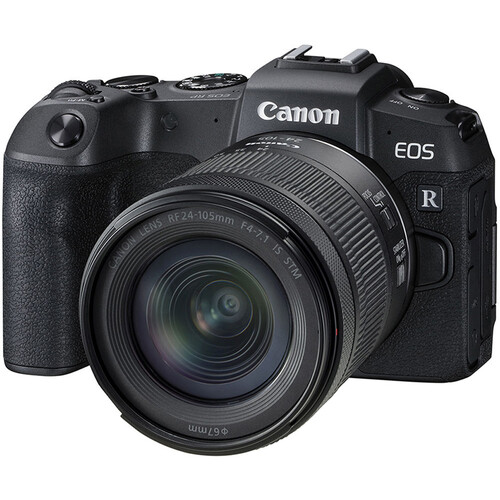
10 Essential Tips for Mastering Your Camera Settings
Mastering your camera settings can transform your photography from ordinary to extraordinary. Here are 10 essential tips that every photographer should know:
- Understand Exposure Triangle: Familiarize yourself with the interplay of aperture, shutter speed, and ISO. This triangle is the foundation of photography, impacting how light is captured in your images. For detailed insights, check out this Digital Photography School article.
- Utilize Manual Mode: While automatic settings can be convenient, learning to use manual mode will give you creative control over your shots. Practice adjusting each setting to see how they influence your results.
- Set the Correct White Balance: Adjusting the white balance according to your shooting environment can drastically improve your image's color accuracy. Refer to this Adorama guide for tips.
- Use the Histogram: Make it a habit to check your camera's histogram. This tool helps you determine if you're properly exposing your image and can prevent loss of detail in highlights or shadows.
- Experiment with Different Shooting Modes: Explore modes like Aperture Priority, Shutter Priority, and Program Mode to understand how they affect your photos.
Continuing with our list, here are more tips to bring your photography to the next level:
- Practice Depth of Field: Using a wide aperture can create a shallow depth of field, making your subject pop while blurring the background. Learn more about this technique in this Photography Mad resource.
- Adjust ISO for Low Light: In low light conditions, increasing ISO allows for quicker shutter speeds. However, be cautious of noise; strike a balance for the clearest shots.
- Use Bracketing Techniques: Bracketing is a great way to ensure you'll capture the right exposure. By taking multiple shots at different exposures, you can choose the best one later.
- Experiment with Composition: Sometimes, adjusting the composition can be more impactful than changes in settings alone. The rule of thirds is a classic technique worth mastering.
- Stay Informed and Keep Practicing: Photography is a constantly evolving art. Stay updated with resources and tutorials to refine your skills, like this Fstoppers education page. Regular practice will solidify your understanding of these core principles.
Exploring the Art of Composition: How to Frame Stunning Photos
Composition is the backbone of stunning photography, guiding the viewer's eye and helping to convey the intended message of an image. Understanding various compositional techniques can elevate your photographs from ordinary to extraordinary. Techniques like the rule of thirds, leading lines, and symmetry are essential tools in a photographer's arsenal. For more detailed guidance on these techniques, consider visiting Photography Life where you can explore each method in depth.
Another vital aspect of composition is the use of negative space, which allows the subject to breathe within the frame. By incorporating negative space, you not only highlight your main subject but also create a balanced image that captivates viewers. To refine your understanding of this concept, check out B&H Photo Video for practical examples and tips that will enhance your photographic skills.
What Makes a Great Photograph? Insights from Professional Photographers
To understand what makes a great photograph, we must consider the elements that professionals prioritize. Composition is one of the fundamental aspects; a well-composed photograph draws the viewer's eye and conveys the intended message effectively. This can involve applying the Rule of Thirds to create balance or using leading lines to guide attention. Additionally, lighting plays a crucial role; natural light can add warmth and depth that artificial lighting sometimes fails to replicate. According to experts, the use of natural light in the golden hours of sunrise and sunset often results in breathtaking images that resonate with viewers.
Furthermore, the emotional impact of a photograph is what truly sets great images apart. Professionals often emphasize capturing genuine moments that tell a story. This could involve candid shots during important life events or striking portrayals of everyday life. Great photographers advise aspiring artists to focus on building a connection with their subjects, as this can enhance the depth and meaning of their work. For more insights, check out this guide on creating emotional portraits. Ultimately, a combination of technical skill and heartfelt storytelling is what composes a truly memorable photograph.